Mickey Mouse is an cartoon character co-created in 1928 by Walt Disney and Ub Iwerks.












The debut of KPOP Demon Hunters truly took the world by storm this last weekend, earning Netflix its highest combined critic and audience score for an original film on Rotten Tomatoes. With an ever growing fanbase that popped up before the film was even released, it comes with no surprise that it was a major success. For a film that had modest marketing and went straight to streaming, it raises the question for some: “What is KPOP Demon Hunters, and how did it become such a sensation overnight?”

KPOP Demon Hunters follows the powerhouse K-pop girl group known as Huntrix, led by Rumi, Mira, and Zoey. However, these girls aren’t your typical K-pop stars. Outside of the spotlight, the trio’s real purpose is to protect their world from demons through the power of their performances. Just as they’re on the verge of defeating the demons for good, though, their greatest enemy yet appears in a form they least expect: a demon boy band.
From the very beginning, it’s immediately clear what character archetypes will be at play based on the character designs alone—which works out well, as it helps make the colorful cast memorable to viewers. Rumi is the leader, Mira is the blunt, hotheaded type, and Zoey has a sweet, bubbly personality.
Going into a film featuring another trio of girls with a familiar formula could, on one hand, strike some as cliché. But KPOP Demon Hunters is anything but; the way the girls are characterized feels so fresh and enticing. While Rumi receives the most screen time as the primary lead, Mira and Zoey easily stand on their own. Each girl has their own strengths, weaknesses, and unique talents that they bring to the group. The film doesn’t tell, but instead shows, their individual backstories through music, introducing the main characters in a way that’s both effective and highly entertaining. For example, Zoey’s line, “…when shootin’ my words, I go Rambo,” is not just a fun reference to the American cult classic films, it also helps convey her background as an artist who’s lived in America.
In contrast to the Huntrix breaking free of common tropes, the Saja boys, the rival demon boy band, completely uses tropes to their advantage, and it’s hilarious. There’s Abby, Romance, Mystery, Baby, and Jinu. Just as the Huntrix were based on iconic K-pop groups in real life, the Saja boys were as well, but more in a satire sense. Each Saja boy represents a different archetype for what’s usually seen in K-pop boy bands, in a lighthearted and silly way. Overall, the cast of KPOP Demon Hunters excels at bringing the film’s unique and original storyline to life.
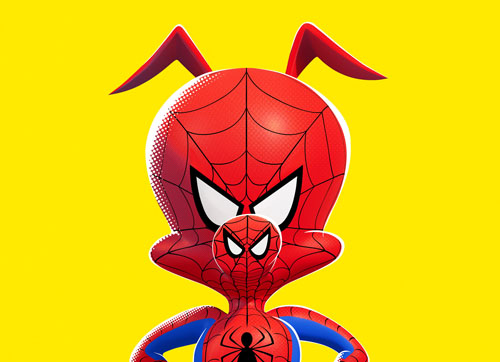
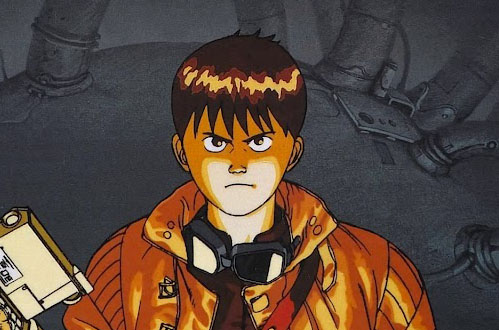
The appeal of KPOP Demon Hunters doesn’t stop with its characters though; the music, animation, and cultural influences all come together to significantly enhance the experience as well. The animation style is reminiscent of Spider-Man: Into The Spider-Verse and Turning Red, drawing inspiration from anime, manhwa, a touch of chibi, and, most prominently, K-pop music videos and concerts. The music goes hand in hand with the animation, syncing every movement to every song seamlessly, making the film feel like pure eye candy. The cultural influences tie it all together, creating an immersive atmosphere that authentically represents Korean and K-pop culture with genuine care. Audiences can appreciate nods to the previous decades of Korea and inspiration taken from unexpected places, like symbolic animals from classic Korean paintings making a playful appearance as animal companions.
With KPOP Demon Hunters having so much love poured into it, it’s easy to see why this film took off. It was made by people who love K-pop, for people who love K-pop. However, it isn’t limited by its target audience. KPOP Demon Hunters can be enjoyed by anyone, fan or not, and may even serve as a gateway into the genre and culture for some. Ultimately, KPOP Demon Hunters stands as a near-perfect standalone film—making the most of every moment of screen time and succeeding in exactly what it sets out to do.