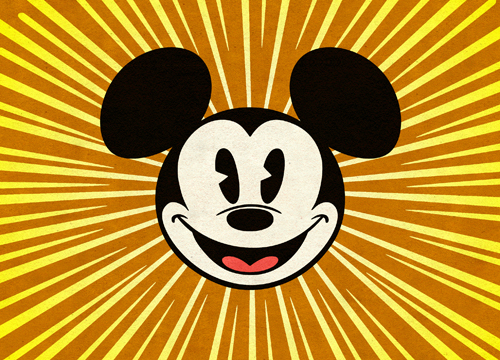
Mickey Mouse is an cartoon character co-created in 1928 by Walt Disney and Ub Iwerks.








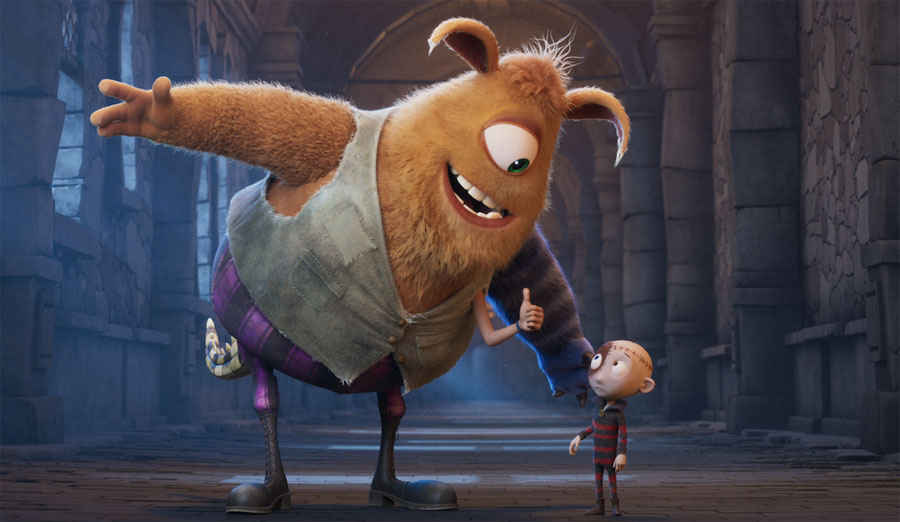
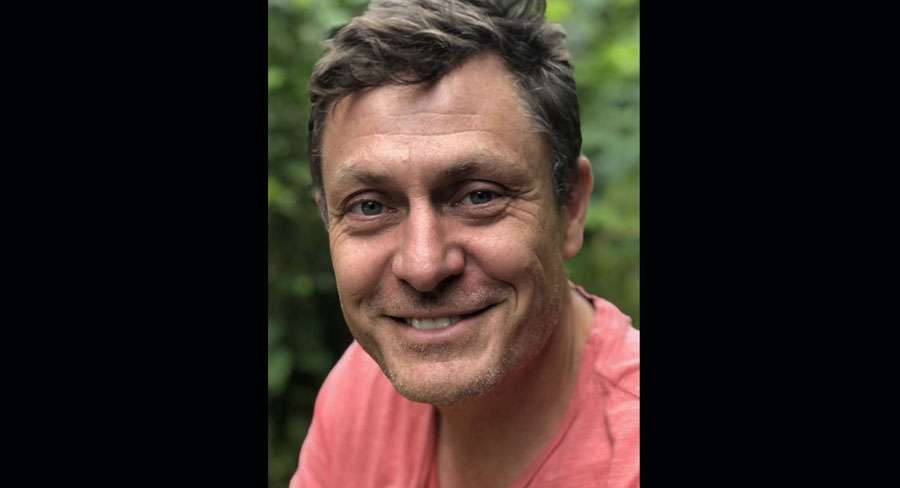
Steve Hudson is the director of the new animated feature Stitch Head, which opens in theaters on Wednesday Oct. 29, just in time for Halloween. It’s about a special boy who discovers the true power of friendship. Hudson discusses the visuals, working with star Asa Butterfield, and the film’s classic inspirations. (This Animation Scoop Q&A was edited for length and clarity.)
Jackson Murphy: This is based on a very popular book series by Guy Bass and Pete Williamson, especially in the UK. Did you discover the books heading into making this movie? How did you want to approach this with this source material?
Steve Hudson: We were actually given an audio, and it’s a CD, so it dates it a little bit, about 10 years ago… of an actress reading the whole book, doing all the voices. It kind of immediately… snapped a nerve for us. We were sitting with the two kids in the back of the car, and the whole kind of genre fun and the genre humor really opened a door. As a filmmaker, there’s so many things. All the camera angles, all the sound effects, the music. That seems sort of a huge, great opportunity. And then, the other thing that I think Guy really brings to the Frankenstein myth is the emotionality of the characters. So Stitch Head and his best friend Creature really sprang out the page. Stitch Head suffers and you feel for him and you want him to succeed. That combination of the monster fun and the emotionality of the characters was fantastic.
JM: Stitch Head is this first creation from The Professor of Castle Grotteskew, and Stitch Head feels underappreciated — and you can feel that emotion right away.
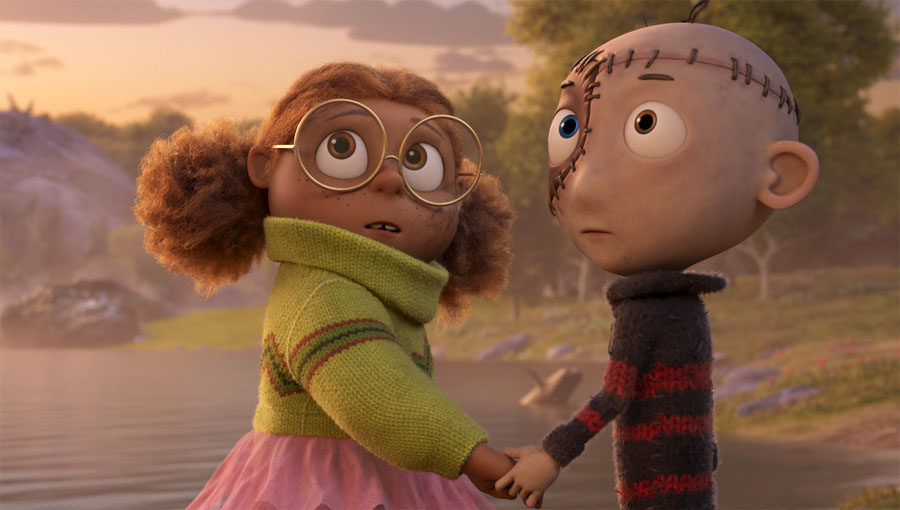
SH: We worked a lot on it. But the character design there is really so close to the original books. His head is a little bit like a baseball, but his skin is sort of delicate and his stitches on his head. You really feel for him.
JM: And Creature, 48 minutes into his existence, feels sad.
JM: You mentioned “Frankenstein”. There are other movies and stories that I feel like are in this in terms of inspirations, whether it’s “Pinocchio” or “Dumbo”. I got some “James and the Giant Peach”, some Tim Burton, some Henry Selick. Are those inspirations?
SH: “Dumbo” certainly. Dumbo has that vulnerability about him and those early Disneys… they really break your heart, and the circus scene in “Dumbo” was a direct inspiration. A lot of reviews have said sort of Tim Burton-esque, which is kind of lovely, but I think that in a way, without any shade on Tim Burton… Tim Burton is almost synonymous with Gothic. Probably Tim is, I think, aiming at a slightly older audience. And we really wanted to make a movie that has jokes for the kids, that the kids love, but also jokes for the adults. So we are, I think, more going straight for a comedy in that sense.
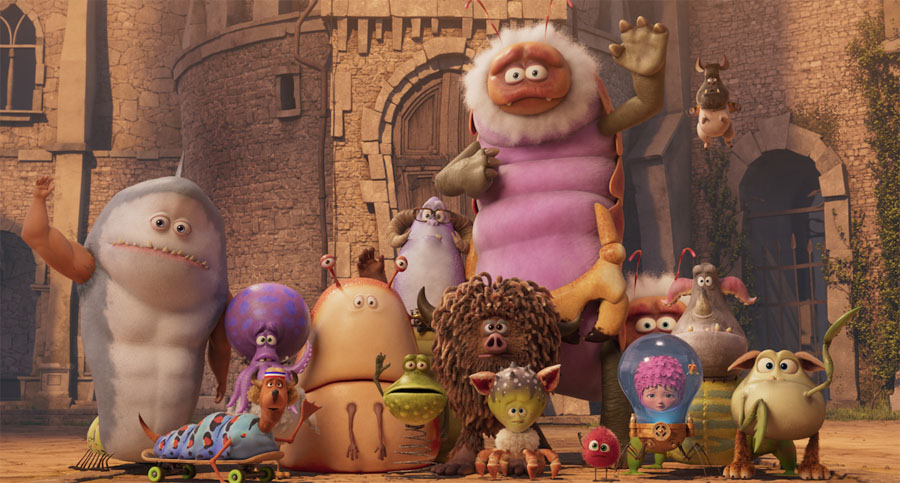
JM: And you had to design… these very unique looking monsters.
SH: That great Little John / Baloo the bear tradition of huge great cuddly sidekicks. You think his superpower would be his great strength ’cause he’s huge and big and furry. He thinks, unfortunately, that his superpower is his amazing plans. That is not necessarily the case. But actually his superpower is an enormous heart. If you can find someone in your life to be Creature for you, someone who is always there for you, who will always love you, who will give everything for you, find that person. That is what we’re all longing for — someone who’s always there for us.
SH: Yeah, that was a lot of fun. It’s sort of sticking different creatures together and finding the gag in each one and in the movement then, and animating them. Technically sometimes a bit challenging. I’m probably the one person on the production who’s not very good at drawing. Everybody’s incredibly gifted. I come more from the audio side. But I liked drawing monsters when I was a kid because no one could tell you, “That’s wrong.” You said, “It’s meant to be like that.”
JM: So in the town, there is this angry mob, and the monsters are fearful of an angry mob coming into the castle or spotting them if they’re out and about. And that reminded me of my favorite movie of all time, which is the animated “Beauty and the Beast”: The angry mob, Gaston, The Beast. ‘How can you love someone who looks a certain way?’ It’s a timeless storyline and emotions.
SH: The townspeople are just normal townspeople, but fear does strange and terrible things to people. And it can be manipulated. The angry mob is an integral part of that Frankenstein legend. It is part of our collective unconscious. We understand this world. There’s a mountain, there’s a crazy castle on top. There’s a mad laboratory, a mad professor, and he wakes creatures. Everybody gets it. So you don’t need to spend a lot of time explaining the world. Sometimes if you have an animated movie where it’s a new magical world, it’s a lot of backstory explaining just to understand the mechanics of this world. Whereas in this one here, you’ve seen that. And so that gives us this sort of comic setup where it is actually the monsters up in the castle who are aware of this legend, and they’re all absolutely terrified of the angry mob. Monsters who are afraid of humans as much as the humans are afraid of monsters, that gives us a whole sort of comic motor to the story.
JM: Asa Butterfield led “Hugo” and “Ender’s Game”. And now this. How was it having him voice Stitch Head?
SH: He’s a darling. I don’t know if I can say this, but he looks a little bit like Stitch Head. He has that kind of vulnerability. He was working with Scorsese even as a kid. He’s been kind of catapulted into the very top tier of filmmaking at a very early age. And he’s just the most utterly normal, approachable, easy going guy. And that accessibility — that he’s open — really gave us something for Stitch Head.
JM: What surprised you about working in the animation medium and this entire experience for you?
SH: I’ve worked in live-action as a writer and director and as an actor a bit, and in theater. This was my first animated movie, but for the last 25 years, I’ve done loads of voice work, as a voice director and as a voice artist. I’d been involved in a whole variety of animated productions here in Europe, doing the voices. I come from the audio side of things. Like I say, everybody else could draw, but weirdly actually in animation, you start with the radio play essentially, and you start with the script. But the first thing you’re gonna do is just record all the voices, scratch voices, and to get the jokes working. So I’m an absolute timing fetishist. I have a very strong urge of how the timing should be because it feels to me that laughter in the cinema is a kind of musical interaction. I really love Aardman. Their timing is so perfect. But as a first-time animation director, my biggest lesson of animation is just… it’s a marathon. (laughs) We spent five years in production and hundreds of people involved. To stick with it, to have confidence in your material, and just to make sure all the little details that all the people in the earlier stages have created gets carried on and built upon. You want a cumulative process.