Mickey Mouse is an cartoon character co-created in 1928 by Walt Disney and Ub Iwerks.











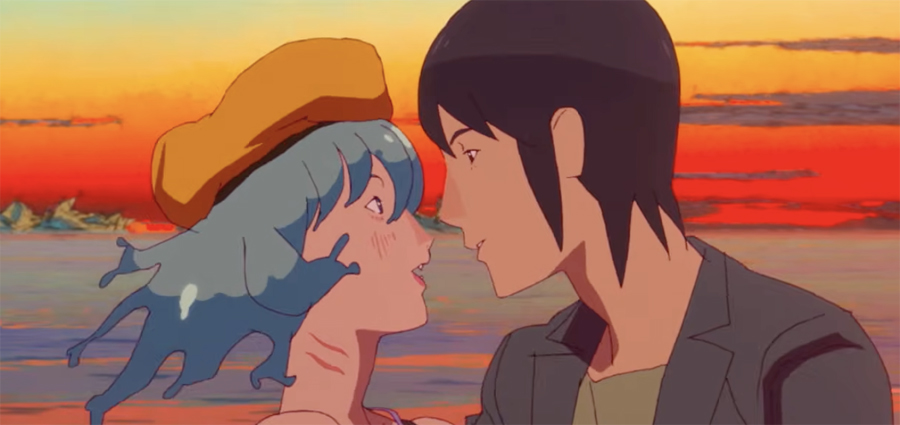
A journalist in Shanghai learns more about the love story between a man and a mermaid in the new anime feature ChaO. GKIDS is releasing the comedy adventure, with some moving dramatic elements, in theaters nationwide this Friday April 10th. Director Yashuhiro Aoki and character designer and supervising animation director Hirokazu Kojima join me for this Animation Scoop Q&A. (This interview was conducted on Zoom with a translator and was edited for length and clarity.)
Jackson Murphy: Yasuhiro, what fascinated you about the relationship between a human and a mermaid?
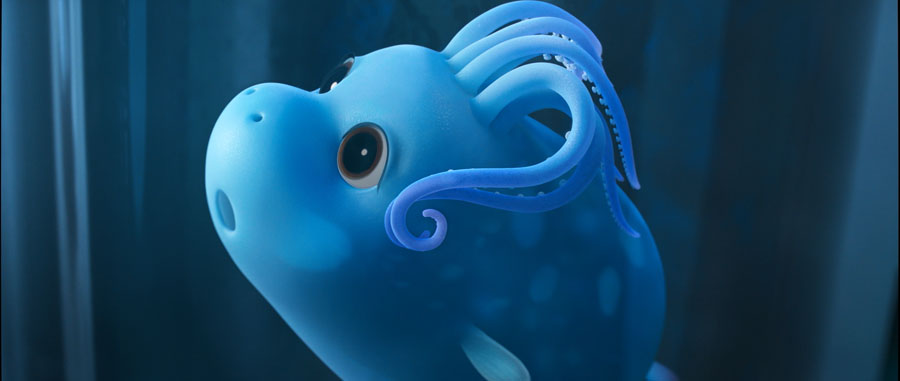
Yasuhiro Aoki: I really think animation is about fantasy. The whole process of animation is that we draw humans and make them move. If we draw a human and they don’t do anything, that’s a pretty boring animation. So I think the element of bringing in the mermaid… There’s no way a human and a mermaid could fall in love… let alone mermaids don’t exist. But that element of fantasy is what works for the story of ChaO. This has a more fantastical element.
JM: Hirokazu, tell me about the larger than life experience you present with the character designs and the extravagance?
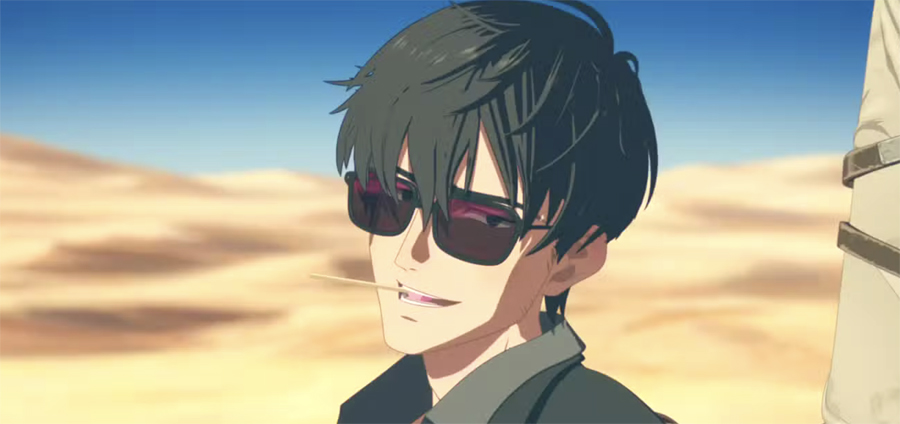
Hirokazu Kojima: Being allowed to do something that I cannot do at other studios — the lines expanding more and more and being able to creature “not-cute characters” was really fun because it won’t be allowed at other studios. They won’t let me do it.
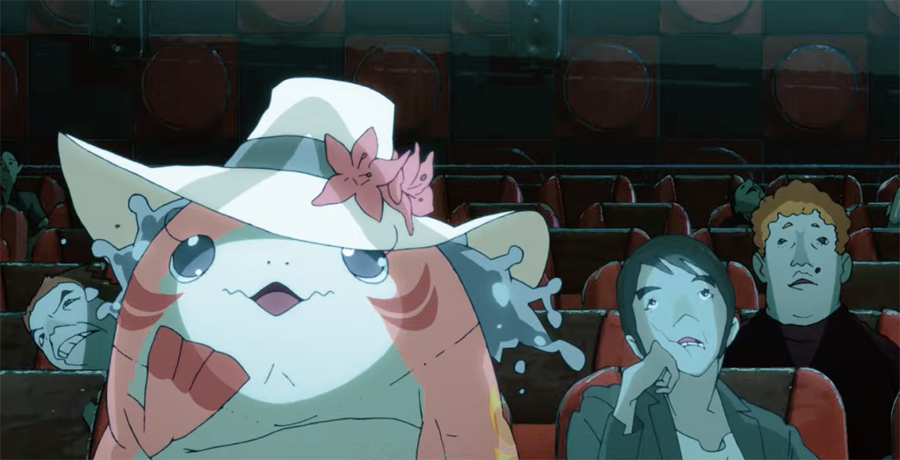
JM: Yasuhiro, how was it exploring the media’s obsession with this relationship between Stephan and ChaO — and the idea of being a celebrity in this situation?
YA: If there’s a romance between a human and a mermaid, of course the media’s going to [cover] it. Even mermaids just existing, the media will come out and try to find out more about it. But I think this movie is different from other films in that there are no bad characters. There are no bad humans. There are no villains. That’s different, and it was very difficult, but I think it’s a good part of this film. In order for Stephan and ChaO to have an obstacle to overcome, we needed the media obsessing with them and chasing after them to create the conflict within the relationship. But even the media — they have this obsession, but they’re not really doing it out of malice. They want to report on this because they want to portray a relationship that works between humans and mermaids for all of us to coexist together in this world. So I really thought when I was making this movie, the characters all really need to be lovable, and I think Kojima-san’s character designs really helped with that as well.
JM: Hirokazu, [the film] showcases the beauty of Shanghai. There are some gorgeous moments.
HK: The art director [Hiroshi Takiguchi] saw my characters and then created that background, and it really matches the characters and blends in well. When I saw the image boards, I was like, “It is too beautiful. It is too great. No words.”
JM: I love the theme in this of ‘Fighting for Love’. For both of you, what does that theme mean to you?
YA: I really think humans exist to use energy for others. Even making movies… We make movies so that the audience will enjoy it and they’ll have fun. Them enjoying it gives us energy back and then because of that we can go back home, feel good and eat our dinner. It really comes down to that. It’s the energy we use for other people.
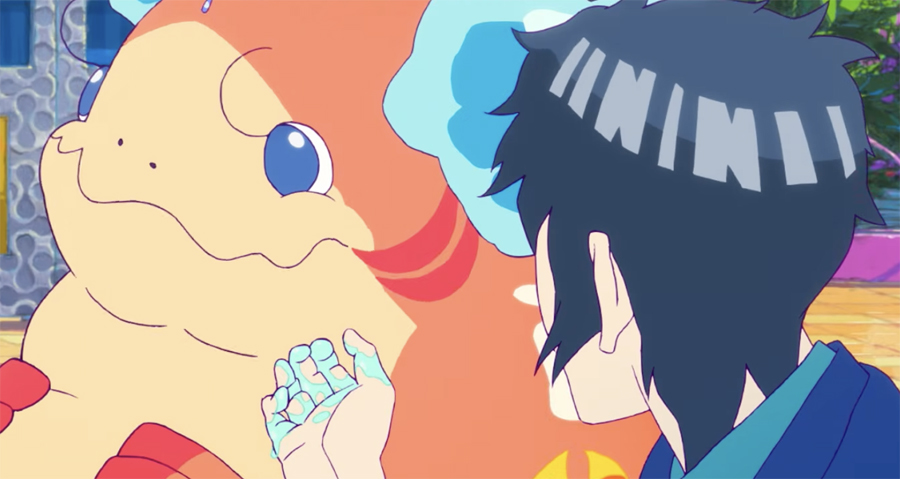
HK: It’s a difficult question. Maybe trying to get back my calmness, the people inside of me. In movies, obviously I want the characters to win when they’re fighting for love.
JM: There’s a lot of power in what you guys present with that. Yasuhiro, without giving away spoilers, I love the different tone you take in the third act. There’s a different emotional feel to it. What were your goals with presenting this final section?
YA: What I really wanted to do with “Chao” was to create entertainment. Entertainment in a movie… you’re crying and then laughing and crying and laughing, and it’s a repeat. The end of it all is, ‘Which do you end-up with?’ Do you end-up crying or do you end-up laughing? How is ChaO going to end-up? It’s what the audience wants to know when they’re watching the movie. How do I bring thrill into the audience watching it? I also really wanted to break all the tropes and rules — and yet make an entertaining but proper movie. That’s where all the emotion comes in.