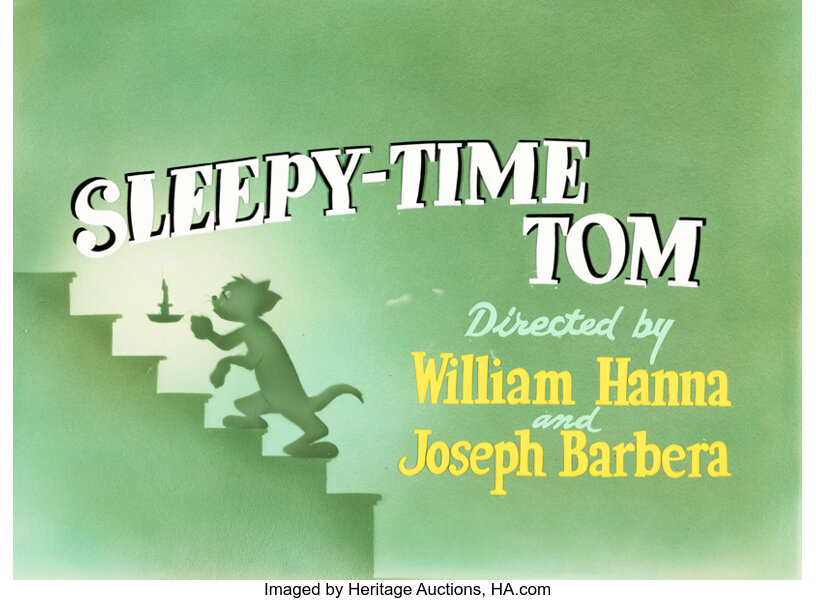
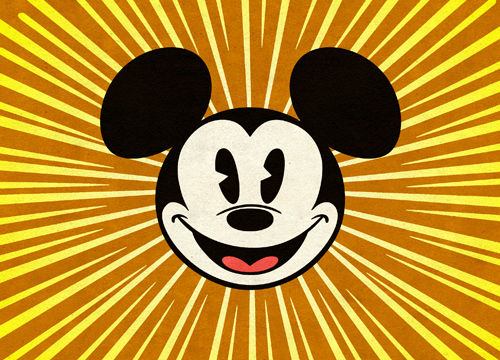
Mickey Mouse is an cartoon character co-created in 1928 by Walt Disney and Ub Iwerks.



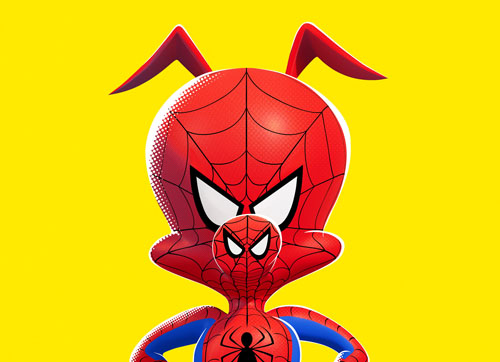

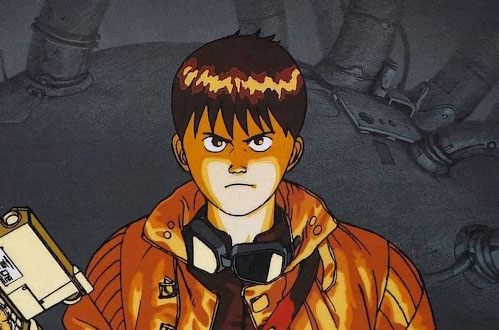
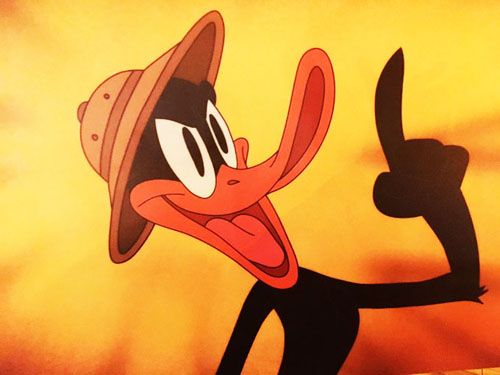





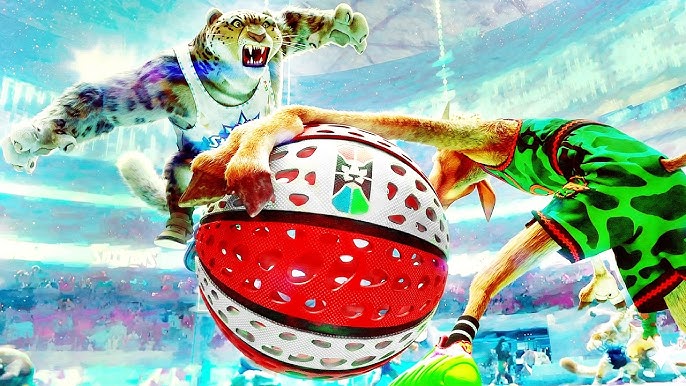
GOAT, Sony Pictures Animation’s latest effort, is a significant step forward in the visual evolution of animated movies. Since the same company developed the Spider-Verse films, they are now at the forefront of how animated films will look in the future. The rapid acceleration of animation technology within our lifetimes promises more differentiation between the inception of computer animation (which, as far as mass audiences are concerned, dates to roughly the early 1980s) and today’s films.
That’s the good news. The bad news is that GOAT is a predictable underdog sports movie that took very little effort to write, with so many clichés that I wondered whether Director Tyree Dillihay intended a parody; he was a director on the TV series Bob’s Burgers, which featured episodes like this. Cataloguing the litany of cliches would comprise a synopsis of virtually the entire film. If none were intentional, there is no excuse for the screenwriting or screenplay. If intentional, they merely replicate films that have gone before. Even the tagline (You’re never too small to dream big) is a groaner.
Coupled with this predictability are lifts from other films, notably the Zootopia movies, with their casts of anthropomorphic animals, the different environments in which Roarball is played, and the discriminatory division of animals into castes. There are some nice touches involving the ubiquity of social media, the outlandish attire NBA players wear en route to games, and the hip-hop trash-talking dialogue (no doubt contributed by Producer/actor/NBA Superstar Stephen Curry). Still, these are merely good moments in a bad script.
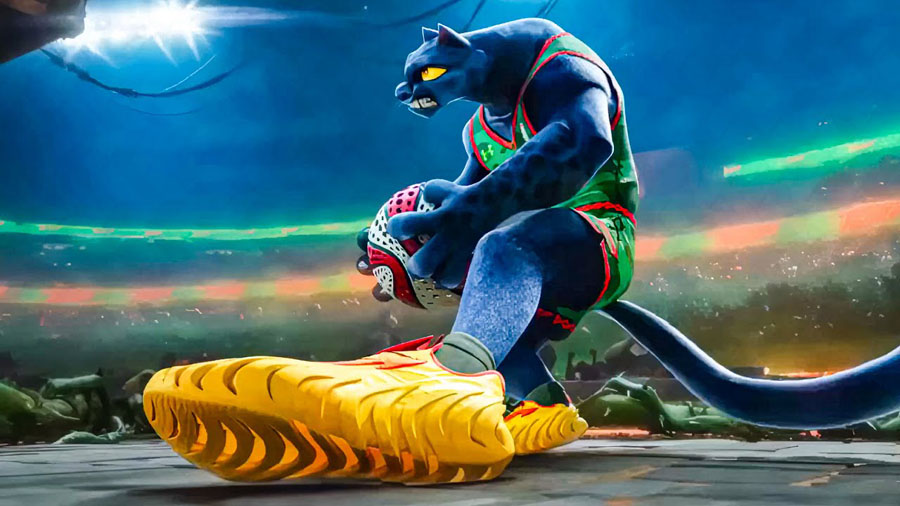
You may ask why I am being so hard on what is essentially a movie for undiscriminating young kids and tweens. OK, because it is heartbreaking to see this mishmash of tired, overplayed memes wedded to Sony Pictures Animation. It is nearly miraculous what the crew pulled off; I would have to credit countless names, but suffice it to say that GOAT is the best-looking animated movie of the current crop. When I attended, I saw two previews of upcoming animated films, and they already look outmoded compared to what Sony is doing.
Despite very odd character designs, the animation is wonderful. The film’s action sequences are an animated equivalent of jazz fusion translated to the screen. Layout, perspective, and movement are so fluid that the film flows rather than projects on the audience’s eyes. Backgrounds are sometimes smears. Sony has mastered the technique of presenting animation as painterly, at times even disregarding the need for characters to have articulation points (if they even do). That’s not to say the characters are formless; they have coherent movements, although not based on the physiology of actual animals.
Sony even pulled off the realistic creation of mass-crowd scenes. They appear as individual figures in motion. Since similar scenes in Disney’s The Hunchback of Notre Dame (1996), the technique has evolved.
So, the story. Young, down-on-his-luck goat Will Harris (Caleb McLaughlin) dreams of being a Roarball star and idolizes Superstar Jett Fillmore (Gabrielle Union), a black panther, of the hometown team, the Vineland Thorns. Will is a “small” guy, but he practices hoops whenever he can. Ridiculing his dreams is Mane Attraction (Aaron Pierre), a haughty, muscular stallion who is Roarball’s MVP. During a facetious game of horse, Will inadvertently breaks Mane’s ankle, becoming a viral star.
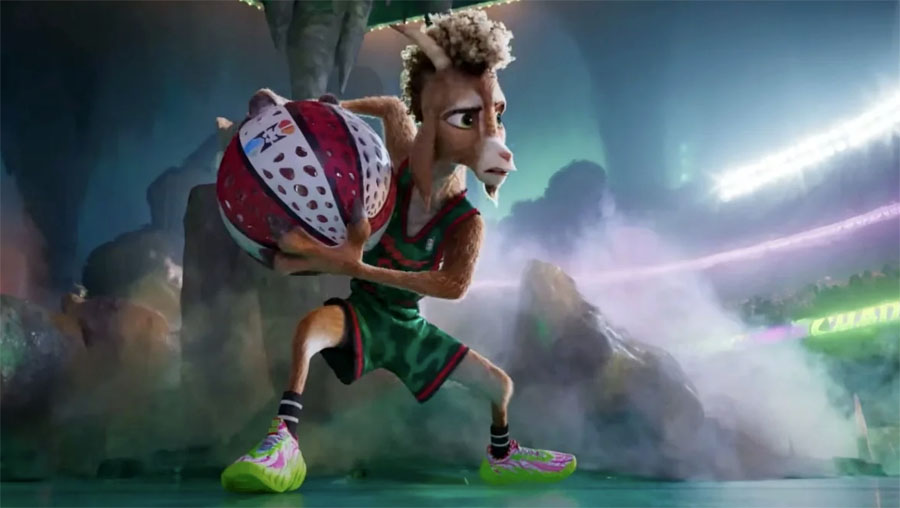
The Thorns’ owner, warthog Flo Everson (Jenifer Lewis), is in need of a publicity stunt and signs Will to the Thorns, but sits him on the bench until he scores a winning basket as a substitute due to Jett’s late technical foul.
His new teammates are ostrich Olivia Burke (Nicola Coughlan); Archie Everhardt (David Harbour), a rhinoceros; Crazed Komodo Dragon Modo Olachenko (Nick Kroll) and Lenny Williamson (Stephan Curry), a giraffe. Sad sack Dennis Cooper, a proboscis monkey played by Patton Oswalt, coaches the team. Every vocal performance, even by the non-actors, is virtually flawless, making this movie even sadder.
That’s all you need to know. From there, it’s every underdog sports movie ever filmed. Some of it makes no sense in the service of cliches; in one scene, Walt and Jett bond over a game of horse, taking turns making impossible shots from increasingly ridiculous distances and angles. Is there any drama left in the Championship Game (of course), when Jett is injured (natch), and Will is left to make the improbable winning shot (uh-huh) over Mane (yup), and the ball goes through the hoop at the buzzer, winning the title by a point (Did you expect that?) We already know that Will is at least Jett’s equal, so there’s really no suspense or surprise in what is supposed to be a breath-holding, slo-mo (right!) climax.
That final effort by Will is a masterpiece of layout, animation, and multiple perspectives that sums up GOAT to perfection. Truly great visual work, but the scriptwriting wouldn’t pass a 101 class. Go for the animation, stay for the animation.